

When it comes to hair loss, early identification and intervention are EVERYTHING!
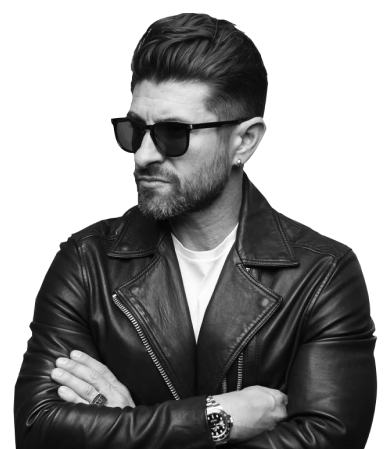
I’m somebody who’s obsessed with my hair. I own Pete & Pedro, and when I started noticing my temples receding and my hair getting thinner a few years ago, I wasn’t about to sit around and watch it disappear. I took action!
The sooner you address thinning hair, the better your chances of preserving what you’ve got and potentially regrowing some of what you’ve lost. Don’t ignore the warning signs, don’t expect miracles overnight, and don’t underestimate the importance of consistency. Take control of your hair health, develop a strategy that works for you, and give it time.
First, understand that shedding hair doesn’t necessarily mean you’re going bald. Losing about 50 to 150 hairs daily is perfectly normal. What you should watch for is hair miniaturization—when your hair gradually becomes finer, thinner, and less dense, especially around your temples, hairline, and crown. This often signals male pattern baldness, which is largely driven by genetics and sensitivity to DHT (dihydrotestosterone). DHT causes susceptible hair follicles to shrink over time until they eventually stop producing visible hair.
The good news? Hair loss rarely happens overnight. It’s a gradual process, so catching it early gives you a better chance to intervene. Today, I’m breaking down steps you can take to protect your hair, fight thinning, and potentially restore some thickness.
Here’s my recommended approach:
1. Visit a Dermatologist. Before you start throwing money at products and treatments, figure out what’s actually causing your hair loss. A dermatologist can determine whether you’re experiencing male pattern baldness, nutritional deficiencies, or another condition. Different causes require different solutions, so getting a professional evaluation is an important first step.
2. Upgrade Your Shampoo and Conditioner. Your hair care routine starts in the shower! I use Pete & Pedro’s DHT Defense Shampoo, which is formulated to support scalp and hair health. It doesn’t medically block DHT, but it’s designed to help maintain a healthier environment for your hair. I massage it thoroughly into my scalp, let it sit for three to five minutes, and rinse. Then I follow with Pete & Pedro’s Power Conditioner, formulated with biotin to help strengthen and condition my hair. Remember, healthy-looking hair starts with a healthy scalp!
3. Be Gentle With Wet Hair. Your hair is particularly vulnerable to breakage when it’s wet. Instead of aggressively rubbing your head with a towel, gently pat your hair dry. I also recommend using a wide-tooth comb to detangle without unnecessary pulling or breakage. These simple adjustments can help you maintain the hair you have.
4. Understand Your Medical Treatment Options. If you’re serious about addressing male pattern baldness, talk with your dermatologist about finasteride and minoxidil. Finasteride reduces the conversion of testosterone to DHT, which can help slow hair loss and potentially improve density. Topical minoxidil helps stimulate hair growth. Both have scientific evidence supporting their effectiveness, and combining them may provide additional benefits. However, they’re medications with potential side effects, so talk to your doctor about whether they’re right for you.
5. Be Patient and Consistent. Restoring hair isn’t an overnight transformation! Whether you’re using prescription treatments or incorporating supportive products like Pete & Pedro Boost into your routine, consistency matters. With proven hair-loss medications, you may see noticeable improvements in three to six months, while more substantial changes can take six to twelve months. Results vary, and not everyone will regrow lost hair. The key is to establish a routine and stick with it long enough to evaluate your progress.
6. Consider Additional Treatments. Microneedling and red-light therapy are other options some guys explore for thinning hair. I’ve tried both, and while I wasn’t a huge fan, that doesn’t mean they won’t help someone else. Research your options and consult a qualified professional before deciding which treatments make sense for you.
7. Get Your Nutrition Right. Your hair needs adequate nutrition to grow and remain healthy. Severe calorie restriction, rapid weight loss, and nutritional deficiencies can contribute to excessive shedding. This is particularly relevant for guys experiencing significant weight loss while using GLP-1 medications. Make sure you’re consuming enough protein, healthy fats, vitamins, and minerals. I take a hair supplement, but supplements aren’t a substitute for proper nutrition, and they’re most useful when you have an actual deficiency.
8. Track Your Progress With Pictures. I’m a HUGE believer in progress pictures, whether you’re building muscle, losing body fat, or improving hair density. Take weekly photographs of your hairline, temples, top, and crown using the same lighting, location, and angles. When you see yourself every day, gradual changes can be almost impossible to recognize. Photographs give you a more objective way to evaluate whether your efforts are working.